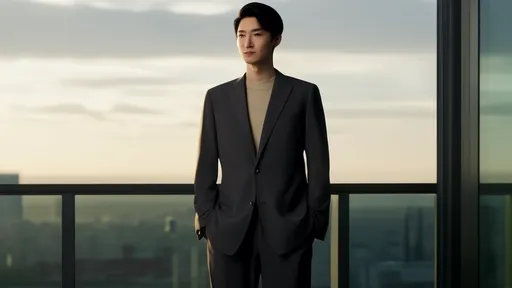
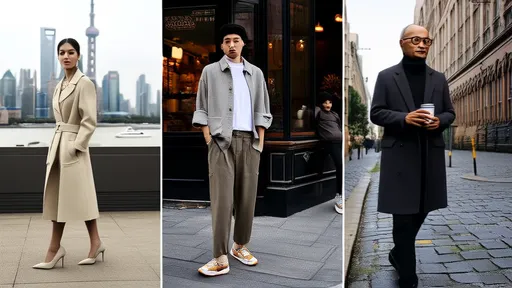
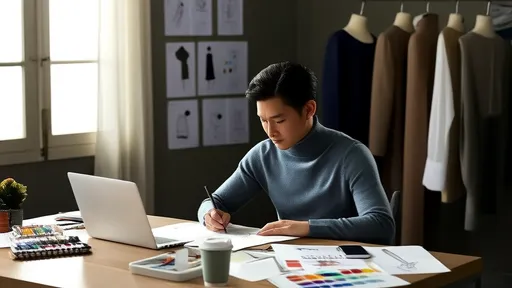
In the bustling streets of Shanghai, a quiet revolution is unfolding within fashion boutiques and design studios. Chinese designers, armed with cultural confidence and global perspectives, are dismantling century-old stereotypes of Oriental aesthetics, weaving ancient philosophy into contemporary silhouettes, and sparking what industry insiders call the "next wave of Guochao." This movement transcends mere revivalism; it is a profound reimagining of Chineseness in a globalized world.
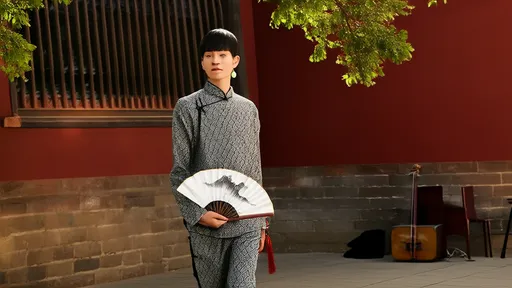
Gone are the days when dragon embroideries and cheongsam cuts sufficed as cultural signatures. Today’s vanguard creators dive deeper, excavating subtler elements from China’s vast historical repository—the fluidity of ink wash paintings, the structural genius of traditional joinery, the poetic symbolism of flora and fauna in classical literature. They are not copying the past but conversing with it, using modern materials and techniques to articulate timeless values.
Historical Echoes in Modern Threads
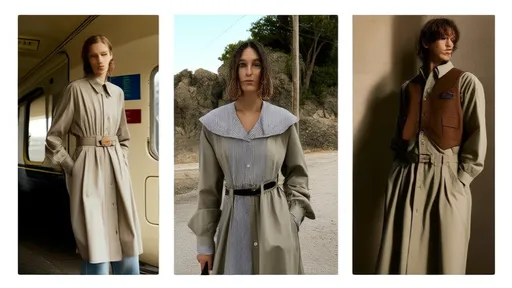
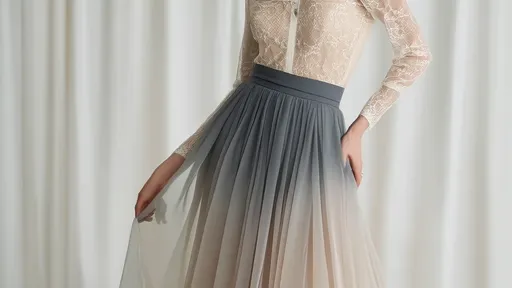
Designer Zhang Lei of Ms Min exemplifies this nuanced approach. Her collections often reference Ming and Qing dynasty garments but strip away the opulence, focusing instead on clean lines and natural fabrics that echo Confucian ideals of humility and harmony. A simple linen dress might carry the spirit of a scholar’s robe; a tailored coat could mirror the understated elegance of a Hanfu without literal replication. This philosophical translation, rather than visual quotation, marks a maturation of the Guochao trend.
Similarly, Samuel Yang, founder of the label Xu Zhi, draws from Chinese literary traditions. His intricate weaving techniques are inspired by ancient poetry, with textures and patterns that evoke specific verses rather than generic "Asian" motifs. This literary grounding adds narrative depth to each piece, transforming clothing into wearable stories that resonate with culturally savvy consumers at home and abroad.
Beyond Fashion: A Holistic Aesthetic Renaissance
The redefinition extends beyond apparel into lifestyle and spatial design. Studios like Neri&Hu architecturally reinterpret traditional Chinese courtyard houses, employing modern minimalism to highlight the original’s emphasis on flow and nature integration. Their projects use materials like gray brick and bamboo not as nostalgic props but as contemporary elements that facilitate meditative living—a core aspect of Eastern philosophy.
In product design, brands such as Zaozuo are democratizing high aesthetics, offering furniture that incorporates Song dynasty elegance with modular functionality. A chair might feature the graceful curve of a classical scholar’s armrest yet be stackable for urban apartments. This marriage of form, function, and heritage makes profound design accessible, further embedding refined Oriental sensibilities into daily life.
The Digital Realm: Virtual Heritage
Technology plays a pivotal role in this renaissance. Digital artists like Anti-General fuse traditional Chinese instruments with electronic music, creating soundscapes that feel both ancient and futuristic. Meanwhile, gaming companies netease and miHoYo design characters and worlds steeped in mythological themes but rendered with cutting-edge CGI, introducing global youth to Chinese lore through interactive experiences.
Social media platforms become galleries for this new aesthetic. On Xiaohongshu, influencers curate posts that blend Hanfu with streetwear, or traditional tea ceremonies with modern café culture, generating organic discourse around what "Eastern" means today. These digital natives are not passive consumers but active participants in defining and spreading this evolved identity.
Global Dialogue, Not Monologue
Crucially, this movement avoids insularity. Designers engage in cross-cultural dialogues, collaborating with international peers while retaining their unique voice. Fashion label Shushu/Tong, for instance, incorporates Victorian elements into designs that are fundamentally rooted in Shanghai’s 1930s glamour, creating a hybrid aesthetic that speaks to universal themes of femininity while remaining distinctly Chinese.
This outward engagement helps combat exoticization. By presenting multifaceted interpretations rather than stereotypical icons, designers command respect on global stages. They show that Eastern aesthetics are not a static museum exhibit but a living, evolving language capable of addressing contemporary issues—from sustainability to mental well-being—through its inherent philosophies.
Challenges and Conscious Evolution
Despite its promise, the movement faces challenges. Commercialization risks diluting its depth as fast-fashion brands co-opt superficial elements. Moreover, designers must navigate fine lines between cultural expression and appropriation when integrating minority ethnic traditions into mainstream designs.
Yet, the community’s self-awareness is palpable. Many prioritize ethical production, using eco-friendly materials and artisan collaborations that honor craftsmanship. They also initiate discussions about cultural integrity, ensuring that their work respects origins while innovating.
The Future: An Organic Cultural Ecosystem
The next phase of Guochao is not about dominating global trends but offering an alternative perspective rooted in specificity. It champions the idea that true modernity includes cultural continuity—that one can be forward-looking without severing ties to the past.
As these designers continue to refine their language, they build a robust ecosystem where fashion, architecture, digital media, and daily objects converse coherently. This holistic approach might well become China’s most significant cultural export: not just products, but a philosophy of living that balances heritage and innovation, individuality and collectivity, humanity and nature.
In redefining Eastern aesthetics, they ultimately redefine what it means to create in today’s interconnected world—where the most compelling futures are those woven with the threads of conscious memory.
By /Aug 21, 2025
By /Aug 21, 2025
By /Aug 21, 2025
By /Aug 21, 2025
By /Aug 21, 2025
By /Aug 21, 2025

By /Aug 21, 2025
By /Aug 21, 2025
By /Aug 21, 2025

By /Aug 21, 2025

By /Aug 21, 2025
By /Aug 21, 2025

By /Aug 21, 2025

By /Aug 21, 2025
By /Aug 21, 2025
By /Aug 21, 2025
By /Aug 21, 2025
By /Aug 21, 2025
By /Aug 21, 2025
By /Aug 21, 2025