In the ever-evolving landscape of fashion and aesthetics, trends emerge and recede with the subtlety of seasonal shifts. For years, the "Old Money" aesthetic held sway, championing a look of understated luxury, timeless elegance, and a whisper of inherited wealth. It was a style defined by crisp polo shirts, well-tailored blazers, and a palette of neutrals that spoke of quiet confidence rather than loud consumption. But as the cultural conversation pivots, a new contender has risen, not from the vaults of generational wealth, but from the libraries and lecture halls: the rise of the "Intellectual Chic," or what many are now calling the "Cerebral Aesthetic."
This new paradigm shift is more than just a change in wardrobe; it is a fundamental reimagining of what constitutes desirability and sophistication. Where "Old Money" was about heritage and subtle signifiers of class, the Cerebral Aesthetic is rooted in the currency of ideas. It posits that the most compelling accessory one can wear is not a vintage Rolex or a pair of loafers, but a well-formed thought. The vibe is less country club and more university common room, less hedge fund and more research institute. It’s an aesthetic that celebrates the mind as the ultimate source of allure.
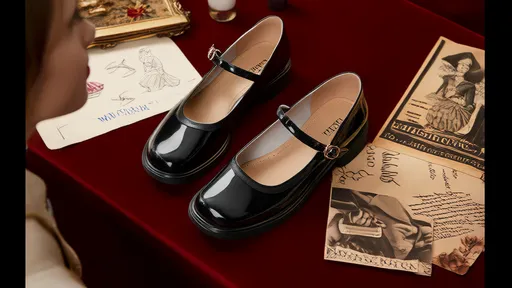
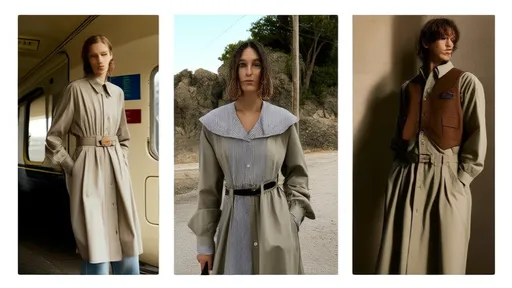
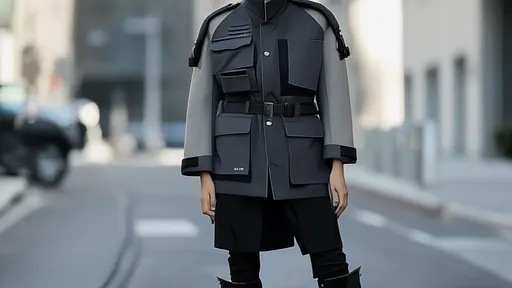
The visual language of this trend is distinct. Imagine oversized glasses that suggest long hours spent reading, not just a fashion statement. Think of clothing that is comfortable and functional—structured blazers, yes, but perhaps paired with trousers that allow for deep thought in a comfortable chair. The color scheme often leans into darker, more serious tones: deep blues, charcoal greys, and blacks, punctuated occasionally by the warm brown of well-worn leather on a book cover or a satchel. The fabrics are tactile and substantial—thick wool, crisp cotton, tweed that hints at academic tradition. The goal is not to look like you’re trying to be smart, but to look like you simply are smart, and that your appearance is a natural byproduct of your intellectual pursuits.
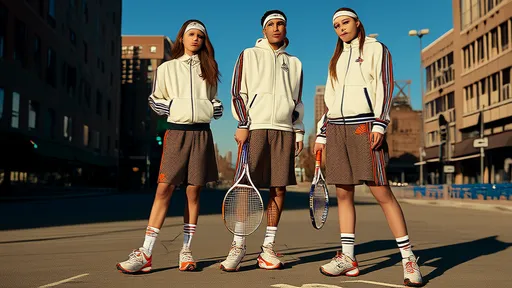
Social media, particularly platforms like TikTok and Instagram, have acted as powerful accelerants for this trend. Where "Old Money" was often disseminated through carefully curated Instagram feeds showcasing vacations in Capri and tennis matches, the Cerebral Aesthetic flourishes in a different digital ecosystem. Short video essays dissecting philosophical concepts, live-streamed book clubs, and aesthetic mood boards featuring stacks of novels and minimalist workspaces have become the new influencers. The hashtag #CerebralAesthetic boasts millions of views, with users showcasing their "smart fits" alongside the books that inspired them. This digital curation allows the trend to feel accessible and community-driven, a stark contrast to the sometimes exclusionary aura of "Old Money."
But to view this solely as a fashion trend would be to miss its profound cultural significance. The ascent of the Intellectual Chic coincides with a broader societal yearning for substance and authenticity. In an era saturated with misinformation, viral outrage, and superficial digital interactions, there is a growing collective fatigue. People are craving depth, expertise, and nuanced understanding. Embracing an aesthetic that venerates intelligence is a way to outwardly align oneself with these values. It’s a silent protest against anti-intellectualism and a statement of belief in the power of knowledge. It says, "I value critical thinking, and I am not afraid to show it."
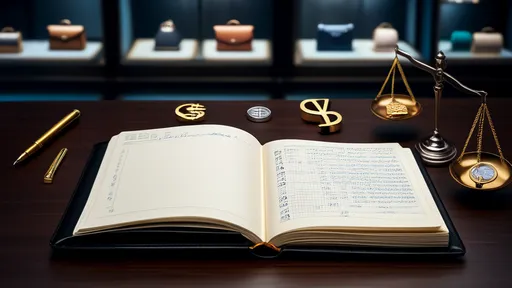
This movement also reflects a changing definition of success and status. While "Old Money" aesthetics were inextricably linked to financial capital and social lineage, the Cerebral Aesthetic is built on cultural and intellectual capital. Status is derived from what you know, what you’ve read, and the conversations you can contribute to. It is, in many ways, a more democratized form of prestige. One cannot inherit a vast library of knowledge in the same way one inherits a fortune; it must be built, page by page. This makes the aesthetic inherently aspirational in a different way—it feels earnable through effort and curiosity, not just birthright.
Of course, like any trend, it is not immune to commodification or critique. High-fashion houses and fast-retail brands are quickly latching onto the look, selling "academic-core" clothing collections at a wide range of price points. There is a risk of the aesthetic becoming another hollow costume, where the appearance of intellect is prioritized over its actual cultivation. The dreaded term "performative intellectualism" lurks in the comments sections, a critique that this is merely another identity to try on for social clout. The true challenge for this trend will be its longevity and its ability to foster genuine engagement with knowledge, rather than just its aesthetic trappings.
Yet, the potential for positive impact is significant. If this trend encourages even a fraction of its adherents to pick up a challenging book, engage in a thoughtful debate, or simply value expertise a little more, then its influence will extend far beyond the wardrobe. It has the power to make intellectual curiosity cool again, to reposition the life of the mind as not just valuable, but visibly attractive. It creates a community where being well-read is the height of sophistication.
So, is the "Cerebral Aesthetic" poised to become the new definitive benchmark for taste, succeeding the reign of "Old Money"? The indicators are compelling. It taps into a deep, contemporary thirst for authenticity and meaning. It is perfectly suited to the digital age, where ideas can be shared and shaped at lightning speed. And most importantly, it champions a form of value that is internal and cultivated, rather than external and bestowed. It suggests that the future of cool isn't about who your family is, but about what's in your head. The new status symbol isn't a logo; it's a library card.
By /Aug 21, 2025
By /Aug 21, 2025

By /Aug 21, 2025
By /Aug 21, 2025

By /Aug 21, 2025
By /Aug 21, 2025

By /Aug 21, 2025

By /Aug 21, 2025

By /Aug 21, 2025

By /Aug 21, 2025

By /Aug 21, 2025

By /Aug 21, 2025

By /Aug 21, 2025
By /Aug 21, 2025
By /Aug 21, 2025
By /Aug 21, 2025
By /Aug 21, 2025
By /Aug 21, 2025
By /Aug 21, 2025

By /Aug 21, 2025