In the ever-shifting landscape of consumer aesthetics, a fascinating paradox is unfolding. The very ethos of "quiet luxury," a philosophy built on discretion, timelessness, and an almost whispered declaration of wealth, is itself becoming a topic of loud, mainstream conversation. What began as a sartorial secret handshake among the elite has been amplified, dissected, and commodified, transforming its inherent silence into a resonant cultural echo. This is the story of how the understated became overstated, how a whisper became a roar in the world of new minimalism.
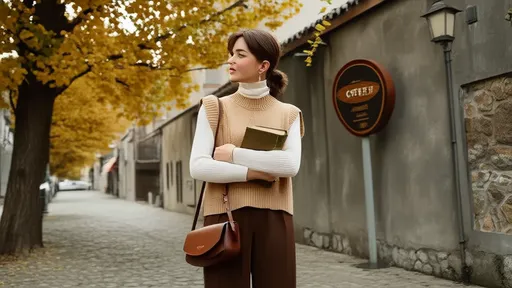
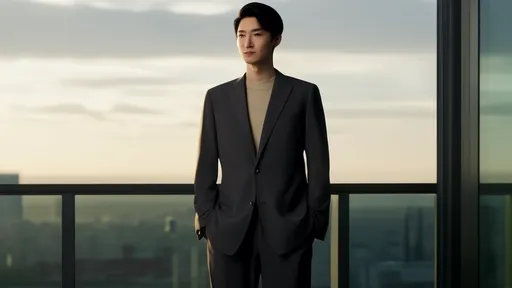
The roots of quiet luxury are deeply embedded in a rejection of the overt. For decades, luxury was synonymous with logos, bold patterns, and instantly recognizable status symbols. It was a language of aspiration spoken loudly through branded belts, flashy watches, and conspicuous consumption. In stark contrast, quiet luxury emerged as its antithesis. It championed the intrinsic qualities of a product—the sublime feel of superior cashmere, the precise cut of a woolen coat, the subtle sheen of untreated leather. The value was not in the brand's external signaling but in the internal, almost private, knowledge of its excellence. This was luxury for oneself, not for the approval of an audience. It was, by its very nature, exclusive and silent.
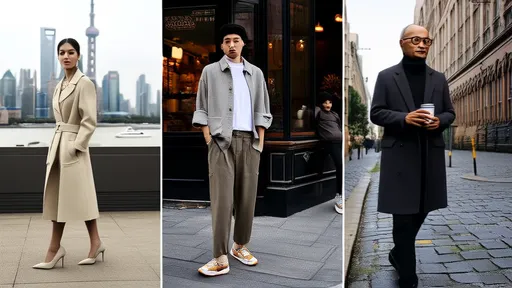
The digital age, however, is an ecosystem where silence is a vacuum quickly filled by content. The ascent of social media platforms, particularly those oriented towards aesthetics and consumer culture like Instagram, Pinterest, and TikTok, acted as a powerful megaphone. Influencers and style commentators, in their endless quest for the next nuanced trend, began to deconstruct and label this understated approach. Hauls featuring "stealth wealth" pieces from The Row, Brunello Cucinelli, and Loro Piana went viral. TikTok videos dissecting the "old money aesthetic" garnered millions of views. Suddenly, the codes of this discreet world were being translated into digestible content for the masses. The very act of identifying and explaining "quiet luxury" made it inherently loud.
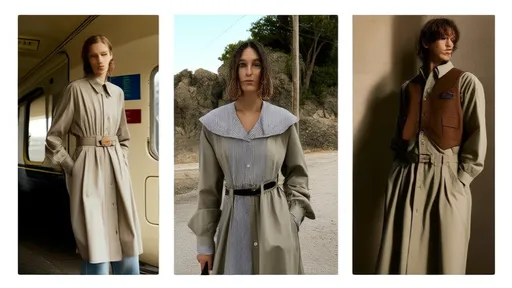
This media frenzy created a new and powerful demand. A consumer base, now educated in the semiotics of understatement, began to seek out the aesthetic it had been taught to appreciate. High-street giants and contemporary brands were quick to respond, launching collections that mimicked the silhouettes, color palettes, and material focus of their ultra-luxury counterparts. The market became flooded with "quiet luxury dupes"—affordable alternatives that offered the *look* of discretion without the exorbitant price tag. This mass-market adoption was the final step in transforming a philosophy into a trend. When a style becomes accessible and ubiquitous, its exclusivity—and therefore its quietude—vanishes. The silent signal became a common uniform.
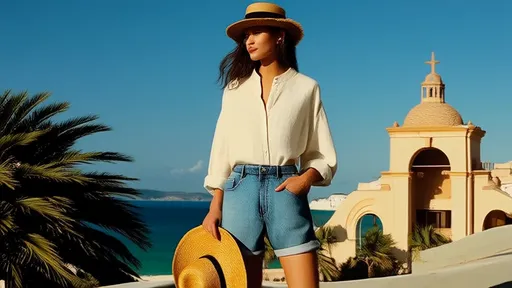
Furthermore, the cultural conversation expanded beyond clothing into lifestyle. Quiet luxury evolved into a broader signifier of a curated, intelligent, and sustainable life. It wasn't just about a beige sweater; it was about the artisanal coffee brewed in a minimalist kitchen, the silent retreat in a Scandinavian cabin, the investment in a single, perfect piece of furniture that would last a lifetime. This lifestyle branding, heavily promoted through media and marketing, turned the aesthetic into an aspirational identity. To be "quietly luxurious" was to be seen as having refined taste, maturity, and wisdom. In seeking to embody this identity, consumers began to perform their quiet luxury, posting about their minimalist choices and ethically sourced purchases, thus creating a new form of conspicuous—yet understated—consumption.
The original patrons of this style, the truly wealthy who have always operated with this discretion, now face a curious dilemma. Their innate style language has been co-opted and popularized. The cashmere sweater that once allowed them to blend in now makes them blend in with a much larger, trend-driven crowd. This has sparked a subtle but inevitable shift within the highest echelons. To maintain distinction, the cycle begins anew. The aesthetic frontier moves further, perhaps towards even more obscure, custom-made, or antique items that defy mass replication. The silence they seek must now be found in even quieter, more remote corners of the consumer world, forever staying one step ahead of the amplifying echo of trends.
In conclusion, the journey of quiet luxury from a hushed secret to a trending hashtag is a quintessential tale of modern consumer culture. It highlights the powerful, and often paradoxical, role of digital media in both defining and diluting cultural phenomena. The tools that expose us to new ideas are the same ones that can strip those ideas of their original meaning through overexposure and commercialization. The loudness surrounding quiet luxury does not negate its core principles of quality and timelessness; these remain admirable and enduring values. However, it does demonstrate that in today's connected world, true quiet is perhaps the most elusive luxury of all. The most coveted style may no longer be about what you wear, but about possessing the confidence to exist entirely outside the trend cycle itself, in a space that no algorithm can yet amplify.
By /Aug 21, 2025
By /Aug 21, 2025
By /Aug 21, 2025
By /Aug 21, 2025
By /Aug 21, 2025
By /Aug 21, 2025

By /Aug 21, 2025
By /Aug 21, 2025
By /Aug 21, 2025

By /Aug 21, 2025
By /Aug 21, 2025

By /Aug 21, 2025
By /Aug 21, 2025

By /Aug 21, 2025
By /Aug 21, 2025
By /Aug 21, 2025
By /Aug 21, 2025
By /Aug 21, 2025
By /Aug 21, 2025
By /Aug 21, 2025